

The Roads We’ve Walked

There are bands whose geography is mostly a line in the biography. Then there are bands for whom place is part of the sound.
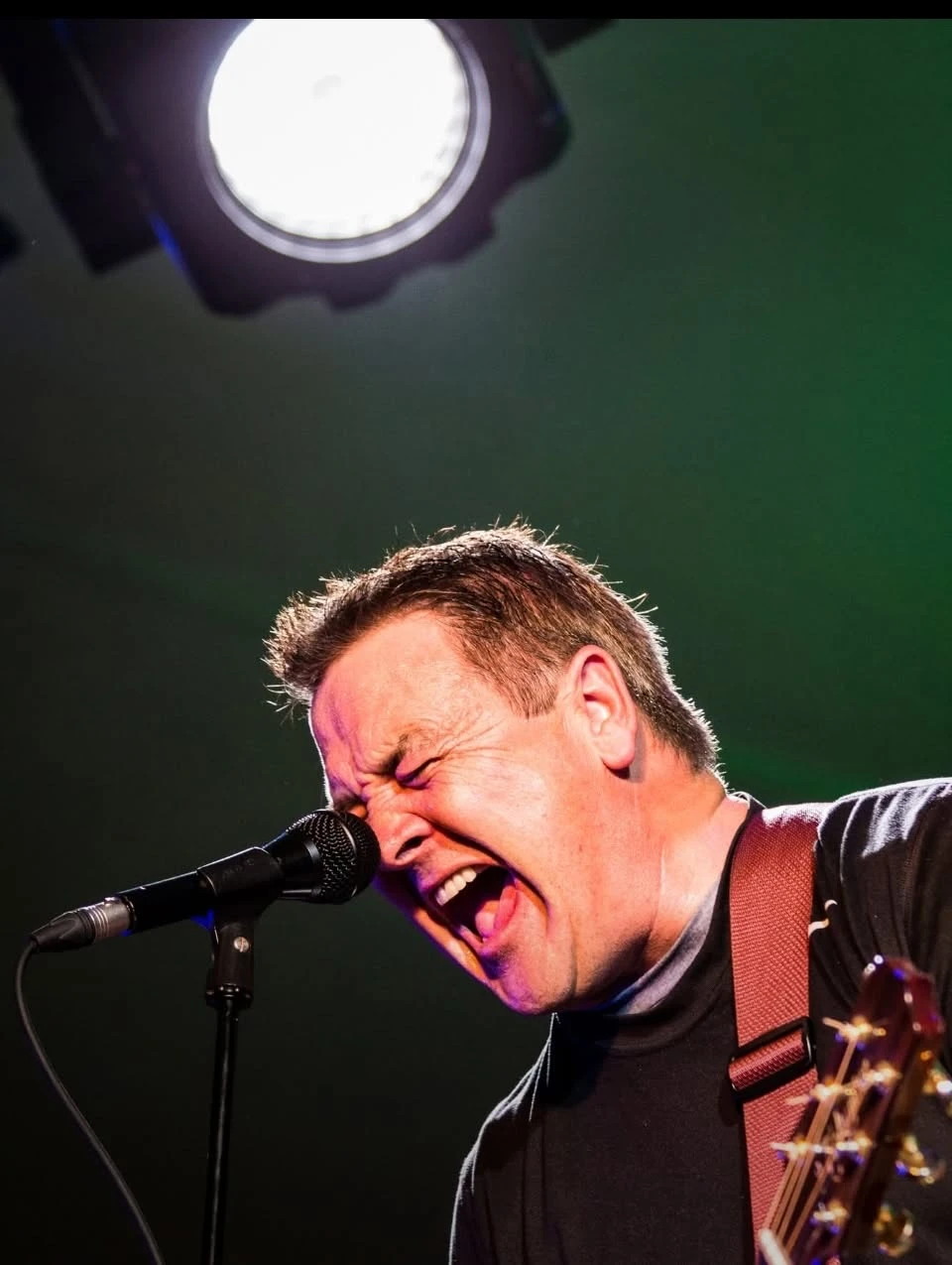
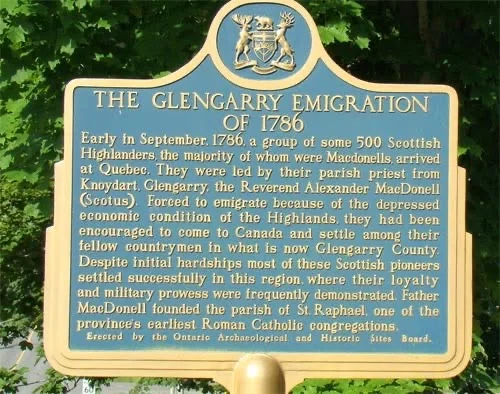
The Glengarry Bhoys came out of Glengarry County in eastern Ontario, a Scots/French-Canadian community where Celtic music was not something imported for a festival weekend. It was part of the cultural landscape. The band's own history traces its beginning to 1998, when Graham Wright and G. S. “Zig” Leroux began playing together. From there came records, festivals, concert halls and tours stretching across North America and across the Atlantic.
But “Coming Home” asks a different question than a band biography does.
What happens when music inherited from somewhere else carries you back toward the place it came from?
Where the Music Comes From
To understand the Glengarry Bhoys, it helps to understand Glengarry. The county’s Scottish heritage is not reserved for annual festivals or carefully staged demonstrations. It lives in schools, family gatherings, weddings, and winter evenings when neighbors still come together to make music.
“The Highland culture in Glengarry is more than a passing fancy,” says G. S. “Zig” Leroux. “It’s a way of life.” He describes high-school graduations where boys wear kilts and ceilidh bands provide the entertainment. Gaelic, while no longer the everyday language of the grandparents’ generation, is still taught and practiced. Piping and drumming remain part of the educational landscape.
Weddings are held on family farms, where a Gaelic song, a fiddle, or a set of bagpipes may lead naturally into the Gay Gordons or Strip the Willow. In winter, kitchen ceilidhs still bring people together. Zig recalls a Statistics Canada estimate from decades ago suggesting that Glengarry had 1.5 pipers per household. “I’m not sure that can even be said in Scotland,” he jokes.
Whether the figure was literal or a piece of local folklore, the point is unmistakable: this is a community where traditional music is not merely something people listen to. It is something they do.
The Glengarry Bhoys emerged from that environment, carrying its traditions into a sound recognizably their own. “To say that that influenced our brand of Celtic stomping is an understatement,” Zig says.
Glengarry’s music had crossed the Atlantic generations earlier, but it did not remain unchanged. It lived in Canada, absorbing the experiences of the people who carried it forward. The result was neither an imitation of Scotland nor a rejection of tradition. It was something distinctly Glengarry.
An Unexpected Road
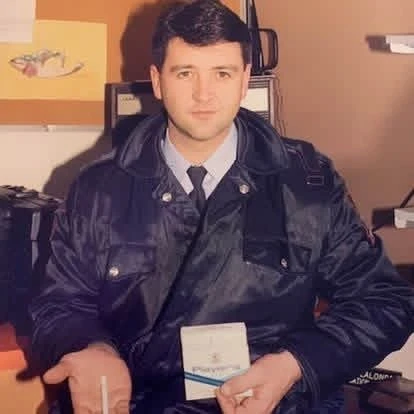
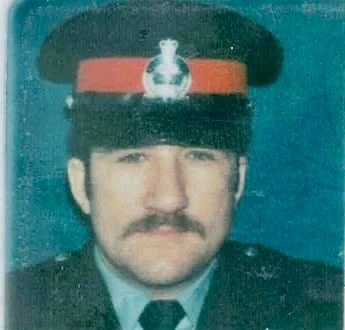
When the Bhoys began performing together, there was no elaborate plan to build an international touring career. “We were cops at the time and played sporadically here and there,” Zig recalls, “mainly Irish pubs, curling bonspiels and the like.” “It was never meant to be a full-time endeavour.”
Then they began crossing the border. In Syracuse, Rochester, Buffalo, Plattsburgh, and Burlington, audiences responded to their music with an enthusiasm the band had not anticipated. They discovered what Zig calls an “insatiable appetite” for their particular brand of Celtic music.
Booking requests began arriving faster than anyone expected. “We were just not prepared for the onslaught of calls, booking offers that befell us.”
A group of musicians playing occasional engagements suddenly found themselves considering something entirely different. Perhaps this could be more than a weekend pursuit. Perhaps they could make a living doing it.
One particular weekend helped answer that question.
The Mountain That Changed Everything
Around 2000, the Glengarry Bhoys arrived at the New Hampshire Highland Games at Loon Mountain. It was among their first major festival experiences, and something happened there that changed the way they understood their own music.
“We never really thought we were anything special,” Zig says. But the response from the festival audience suggested otherwise. “Something had happened that weekend that brought home the notion that our brand of music was distinct and different.”
For the first time, a full-time musical life began to feel possible. Soon afterward, the band did exactly that.

There is something fitting about a Highland gathering becoming a turning point for a band from Ontario’s Celtic heartland. The music had traveled from Scotland to Canada through generations of families and communities. Now it was finding an enthusiastic new audience in New England, where Scottish heritage had followed its own paths across the Atlantic.
The Bhoys were not simply playing songs from an inherited tradition. They were bringing their own chapter of that tradition to people who recognized something familiar in it. And the road was about to become a much larger part of their lives.
Two Hundred and Fifty Nights
A record deal with Universal Records changed the scale of the operation. There was a booking agent in New Jersey, a marketing agent in New York City, a tour bus, a driver, road crew, and a calendar that seemed to have no empty spaces.
For approximately five years, the band performed more than 250 shows annually. Their itinerary stretched from Las Cruces, New Mexico, to St. John’s, Newfoundland; from West Palm Beach, Florida, to Canmore, Alberta.
The contrast with their earlier lives could hardly have been greater. “The contradistinction between being a weekend pub act, to concert halls all over North America was as stark as it gets,” Zig remembers.
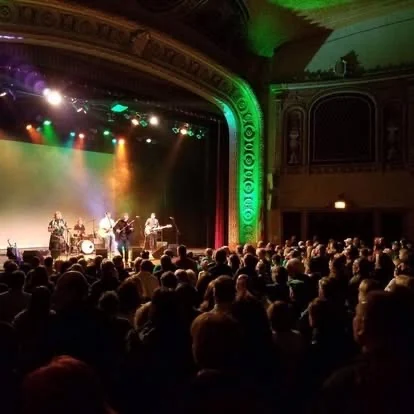
What did an ordinary day look like? According to Zig, there was no such thing. But there was a routine.
The morning began with merchandise and CD inventory. Then everyone climbed aboard for the drive to the next engagement. Somewhere along the way, their marketing agent might arrange a telephone interview with a local radio station to promote that evening’s performance. There were fuel stops, Flying J coffee, sandwiches, and the hope of reaching the venue by mid-afternoon. Then came unloading equipment, soundcheck, hotel rooms, showers, and whatever food could be found before showtime.
Even the set list required calculation. The musicians would assess the audience—its age, energy, and character—before deciding which songs would work best that evening. After the performance came the familiar ritual: signing CDs and photographs, speaking with fans, loading the equipment again, perhaps having a pint, and finally getting some sleep. Then they would do it all again.
“Not very ordinary, eh?” Zig adds. “…lol.”
It was exhausting. It was exhilarating. And it was, in his words, a grind. Yet the grind produced nights that made everything worthwhile.
A Night on Beale Street
Ask a musician about the best performances of a long career and the answer is not always the largest venue or most prestigious booking. Sometimes it is a night when everything simply works. For the Glengarry Bhoys, one such night came in Memphis, Tennessee.
At the end of Beale Street, the Gibson Guitar factory had an adjoining auditorium. The Bhoys were booked to perform there. The show sold out.
Every musician knows the difference between a technically competent performance and the rare night when a band finds another gear. This was one of the latter. “Every now and again a band fires on all cylinders and as a musician you almost have an out-of-body experience,” Zig explains, “knowing in your heart that this was a moment in time.”
At the end of the evening, the promoter handed over their payment. “Glengarry Bhoys—never heard of you,” he told them. “Let me know next time you want to return.”
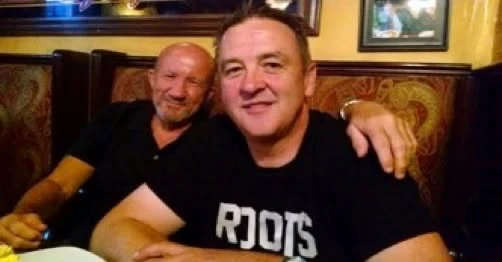
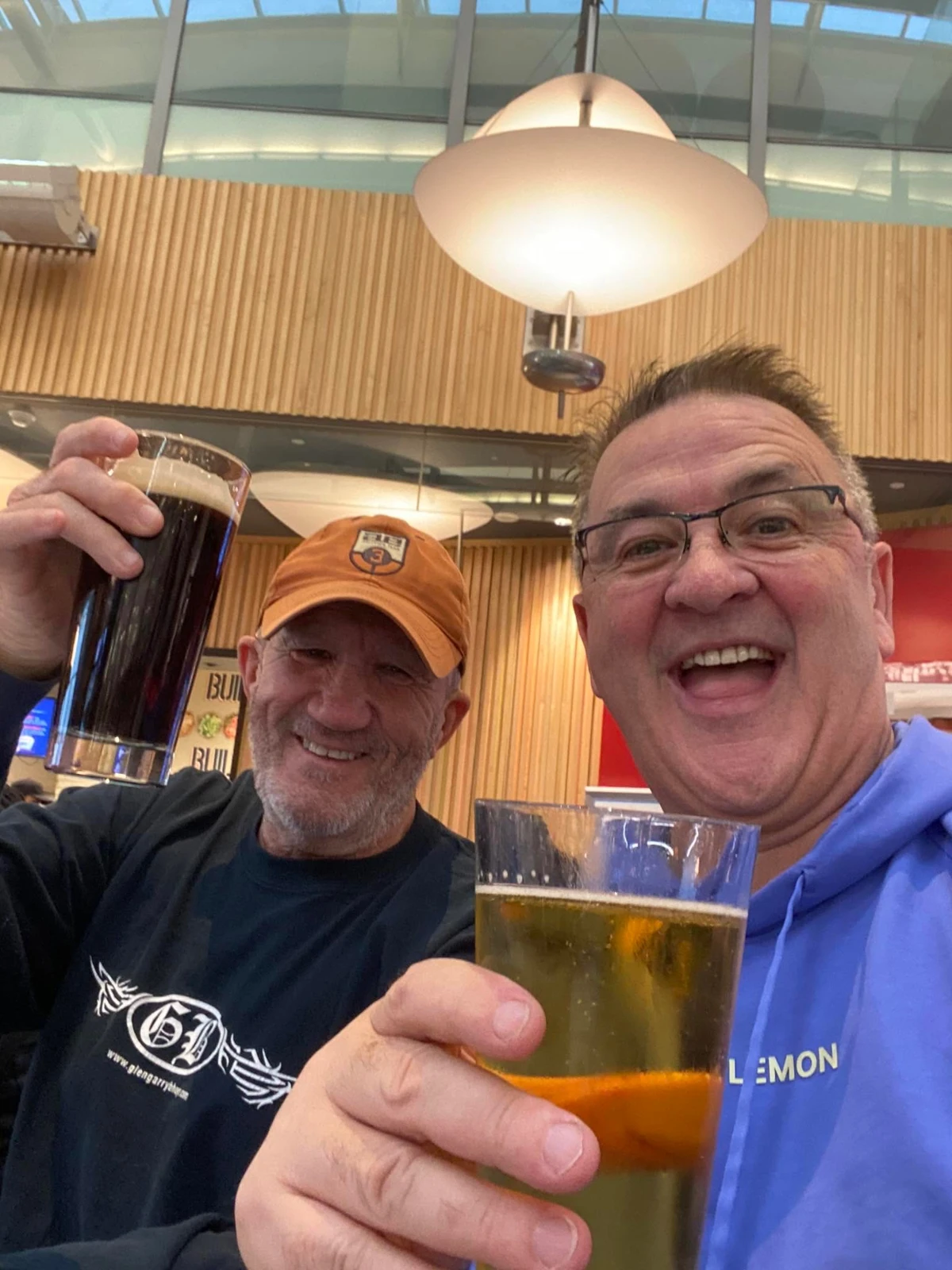
The musicians walked back toward their hotel along Beale Street, found a blues club, and settled onto stools with pints. They looked at one another. They smiled. Then they toasted a night they already knew would be almost impossible to reproduce.
It is a wonderful image: a Celtic band from eastern Ontario celebrating an unforgettable performance in the heart of American blues country. Different musical traditions. Different histories. Different places. But the same understanding of what can happen when musicians and an audience find one another at exactly the right moment.
The Places You Don’t See
The road gives musicians experiences most people will never have. It also takes things away.
There is a romantic idea of touring: open highways, unfamiliar cities, beautiful landscapes, and the freedom of moving from place to place. Zig is quick to dismantle it. “Touring is not sightseeing.”
He remembers one journey when the band drove directly past the Grand Canyon. They did not stop. They did not even take a photograph. “Imagine that!” It was simply another landmark on the way to another engagement.
“In a word, it’s brutal and paradoxically addictive,” he says. “Weird, eh?”
There is a contradiction at the heart of a touring musician’s life. The road offers extraordinary freedom while dictating nearly every hour of the day. It brings people together through music while separating musicians from their own families and communities.
For a band whose identity is so deeply rooted in a particular place, that contradiction carried additional weight. The farther the Glengarry Bhoys traveled, the more precious Glengarry itself became.
Choosing Home
By approximately 2006, after years of relentless touring, the band made a deliberate decision. They sold the tour bus. They reduced their schedule. And they began building lives that could accommodate both music and other ambitions.
“Balance was our new talisman,” Zig says. The musicians pursued further education and professional careers in law, medicine, engineering, and business while continuing to perform selectively. Rather than treating the change as an ending, they found it allowed the band to continue. “This binary objective was the perfect tonic and ensured continuance of our cherished musical passion.”
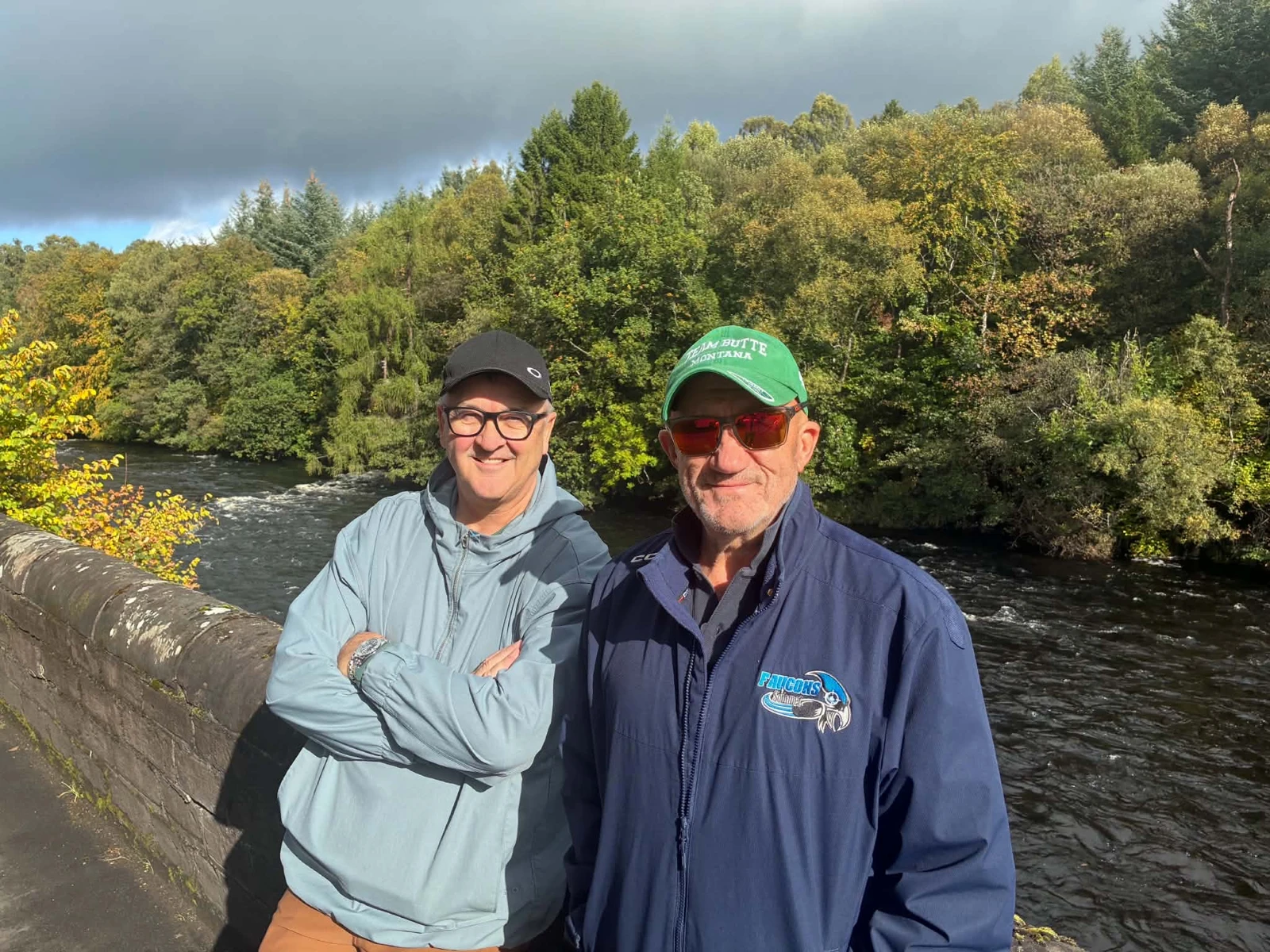
Today, the Glengarry Bhoys perform approximately a dozen shows annually. Zig says they could easily book six dozen. But their lives are no longer organized around the next venue. Steve McIntosh now lives and practices in Newfoundland. D’Arcy Furniss, now a U.S. citizen, lives in Buffalo with his growing family of four children. Coordinating performances requires more planning than it once did.
Yet the friendships that sustained the band through those years remain. Zig describes their bond as one of “true trusted friendship.” It may be the most important reason they have continued making music together.
They found a way to keep the thing they loved without allowing it to consume everything else. After all those years away, Zig’s definition of home has become remarkably simple.
“Without hesitation, time at home—when measured by our many miles of touring—is precious beyond mere words.”
What a Song Carries
There are other things that change with time. Songs, for example.
A recording remains the same, but the person listening does not. Neither does the musician performing it. Zig points to Graham’s song, “My Friend.” Its lyrics reflect a personal story involving alcoholism and addiction, themes the band understands through experiences of its own.
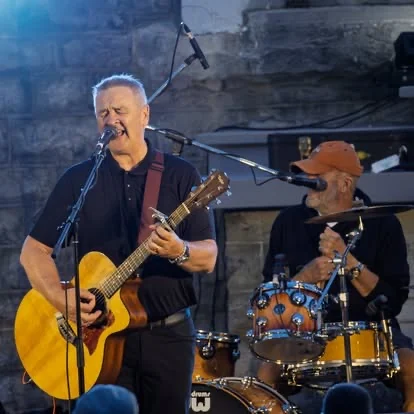
Recently, however, a listener hearing the Glengarry Bhoys for the first time interpreted the song differently. To her, it spoke to homelessness, poverty, and the troubled times in which we live. The musicians had not changed the song. The listener had brought her own experiences to it.
“The vastness of music indeed,” Zig reflects. Perhaps that is one reason songs endure. Their meaning is never entirely contained by the circumstances in which they were written. They become part of other people’s lives.
A song heard at a festival may become inseparable from a particular summer, a friendship, or someone who is no longer there. Years later, a familiar melody can return a listener to that moment with astonishing clarity.
The musicians may never know how many memories their songs have become part of. But those memories are part of the music’s continuing life.
A Changing Landscape
The Celtic music world that welcomed the Glengarry Bhoys in the early 2000s is not quite the same world today. Zig sees a shrinking market for Celtic bands and growing obstacles for musicians trying to establish themselves. He points to several possible pressures: tariffs, stricter visa requirements, and audiences increasingly drawn to other forms of entertainment.
He is careful not to claim a single explanation. But the change, he says, is palpable. The band believes there will always be an audience for live Celtic music, particularly traditional music. Still, Zig finds it difficult to imagine a young band building the same kind of livelihood today.
“The obstacles are legion and perilous.”
His advice to musicians beginning their careers is straightforward: “Pace yourself. Don’t lose sight of the reason you play music in the first place.” And beware of promoters whose interests may not align with yours.
It is advice shaped by experience rather than theory. The Glengarry Bhoys know what it means to find unexpected success. They also know what it costs to sustain it.

Not Just Yet
Nearly three decades after the band began playing pubs and curling bonspiels, the question of what comes next is unavoidable. The musicians are older. Their lives have changed. The touring industry has changed. The years of 250 performances are long behind them.
Does that mean the Glengarry Bhoys are preparing to say goodbye? Not exactly.
“We are closer to the end than the beginning,” Zig acknowledges. “At some point it will conclude, but… not just yet.”
There is no grand farewell announcement in those words. No elaborate final chapter. Just the recognition that every musical journey changes—and that the Bhoys are not quite finished with theirs.
Perhaps that is the most fitting outcome for a band that never intended to become a full-time touring act in the first place. They began because they loved making music together. They continue because they still do.
The Road Home
There is something extraordinary about the journey of music across generations. Scottish Highland traditions crossed the Atlantic with people who carried their language, songs, dances, and customs into a new country. In Glengarry, those traditions became part of another place. They survived because families continued singing, musicians continued playing, and communities continued gathering.
Generations later, musicians from that cultural landscape carried their music onto stages across a continent. They found audiences who recognized something in it, even when their own histories were very different. Somewhere along the way, the music became part of those audiences’ lives too.
Coming home, then, does not always mean reversing the journey. Sometimes it means realizing how much of home you have carried with you.
For the Glengarry Bhoys, the road has led through countless towns, concert halls, festival grounds, and friendships. There have been unforgettable performances and exhausting journeys, missed landmarks and late-night celebrations. There have been changes in careers, families, priorities, and the music business itself.
But the relationship between the musicians and the people who have followed them remains. When asked what he hopes audiences will remember about the Glengarry Bhoys years from now, Zig does not mention record deals, sold-out performances, or the miles they traveled. He speaks instead about friendship.
“That we love yaz all and never once took your friendship for granted.”
Then he offers a final thought: “If a GBs experience brings a smile to your face, even years from now, it will match ours.”
For a band whose music has accompanied so many people through so many chapters of their lives, perhaps there could be no better legacy. Not the number of miles traveled. Not the number of records sold. But the knowledge that somewhere, years from now, someone will hear a familiar song, remember a wonderful night, and smile.
And for a moment, everyone will be home.
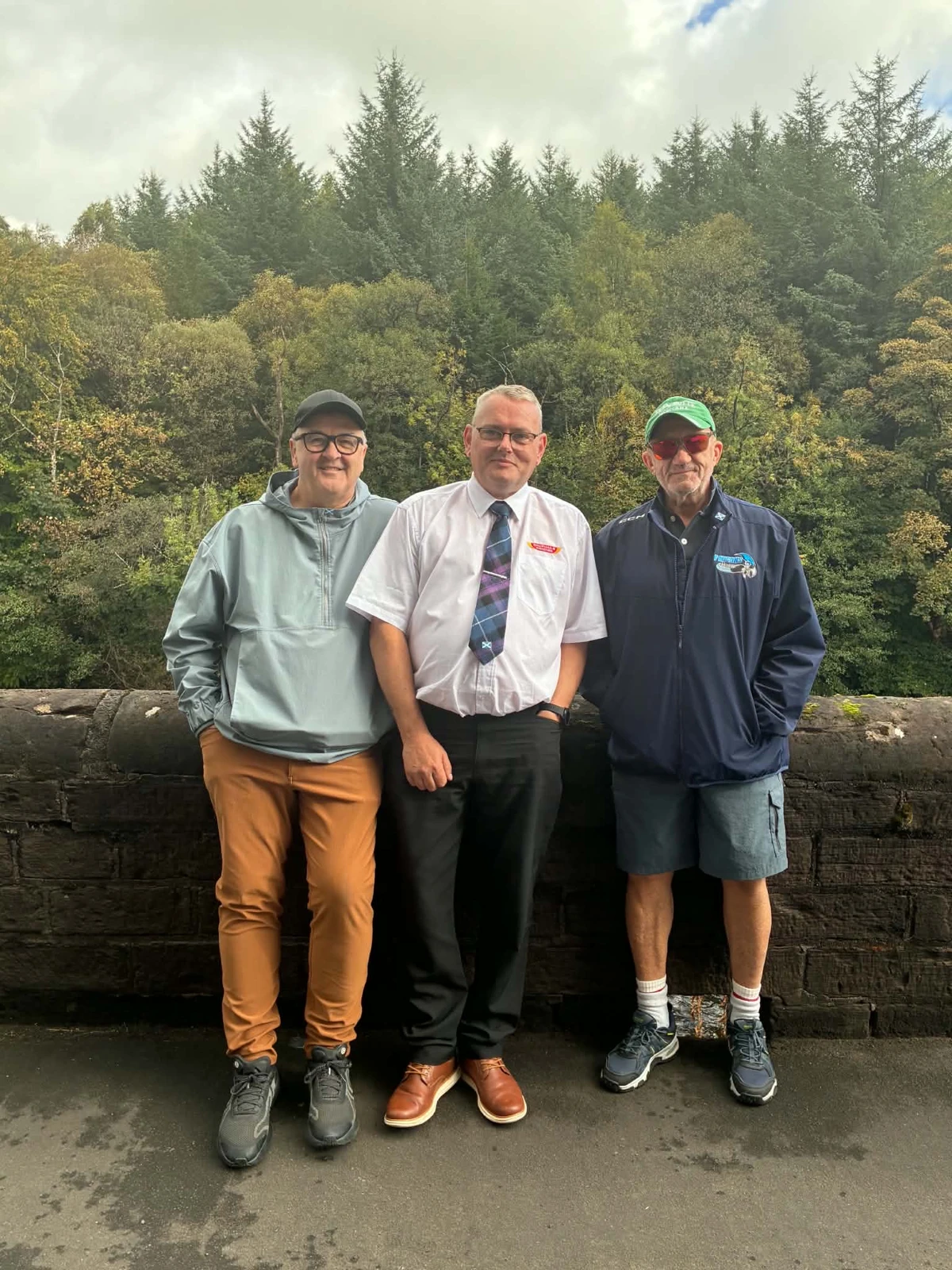
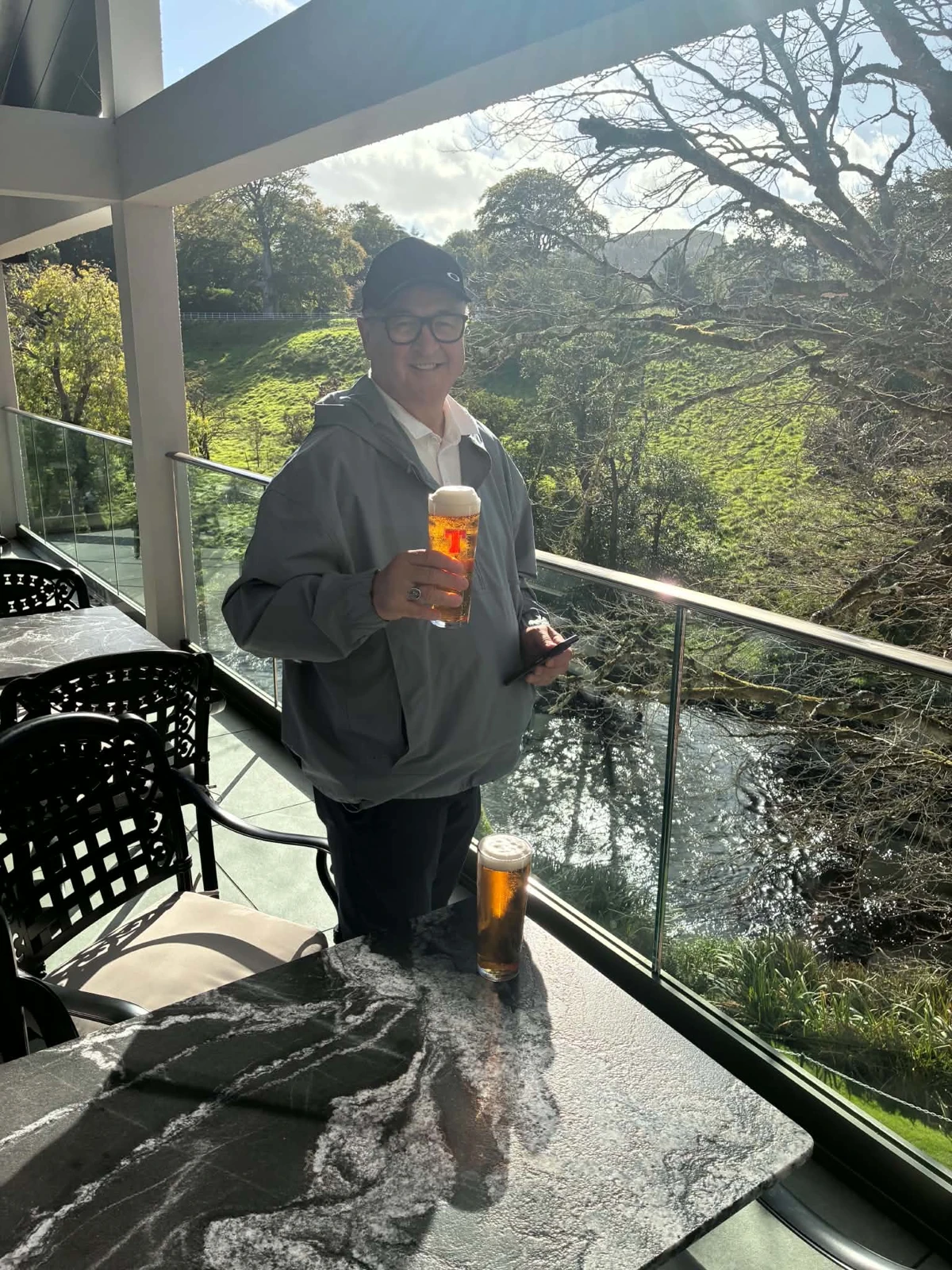
Other photos courtesy The Glengarry Bhoys