

The Christmas Table
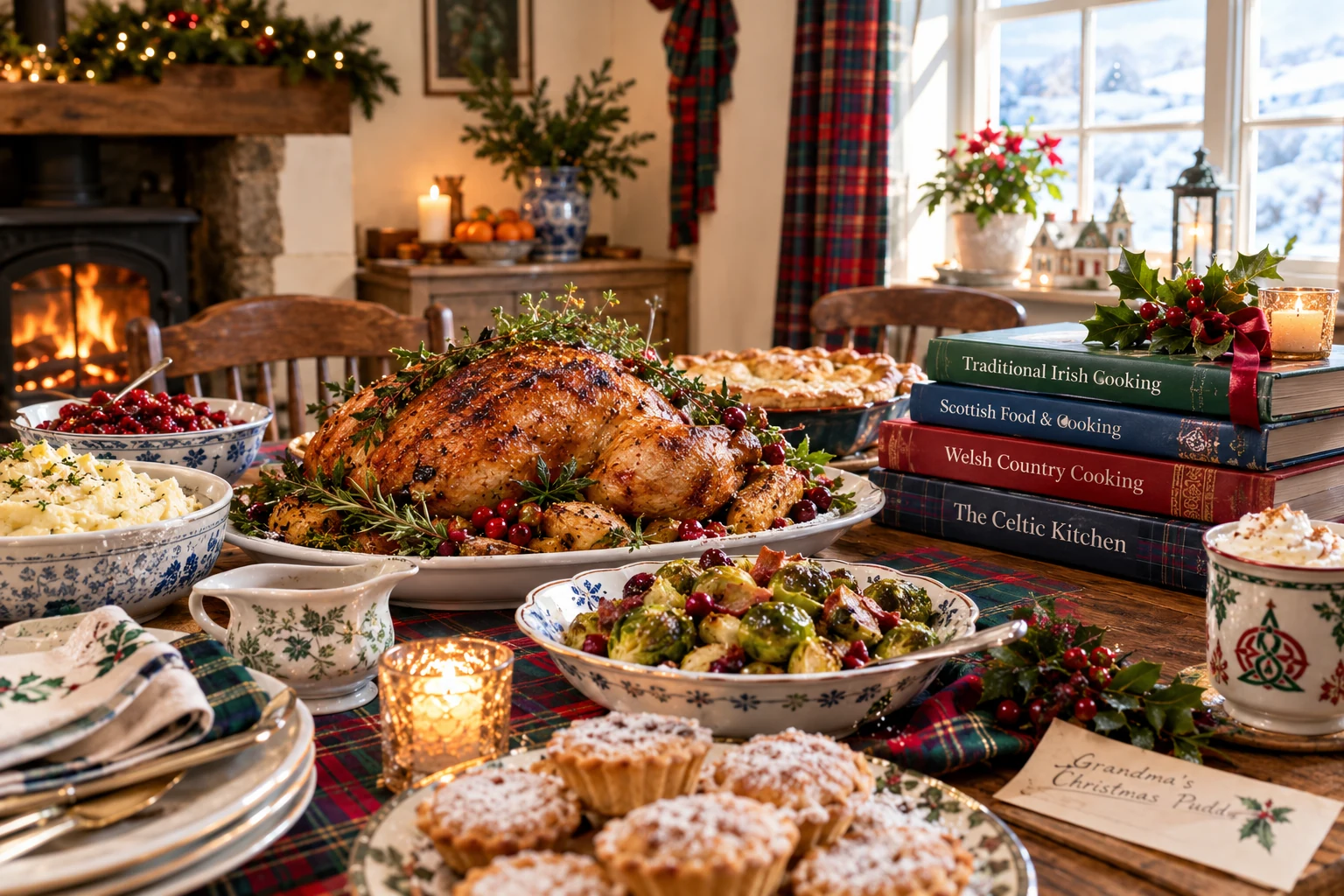
Long before anyone says grace, raises a glass, or argues over who makes the potatoes correctly, a Christmas table has already started telling a family story.
Food is memory with measurements that are rarely exact.
A recipe may say flour, butter, fruit, or spice. A family version says use your grandmother’s bowl. Stir it until it looks right. Do not buy that brand. Make twice as much because someone will take some home.
The written recipe is only part of what survives.
Across Wales, Ireland, and Scotland, winter food traditions carry those layers of memory. Some have endured for centuries. Others have changed almost beyond recognition. And some began quite accidentally, when somebody made something wonderful one Christmas and the family refused to celebrate another without it.
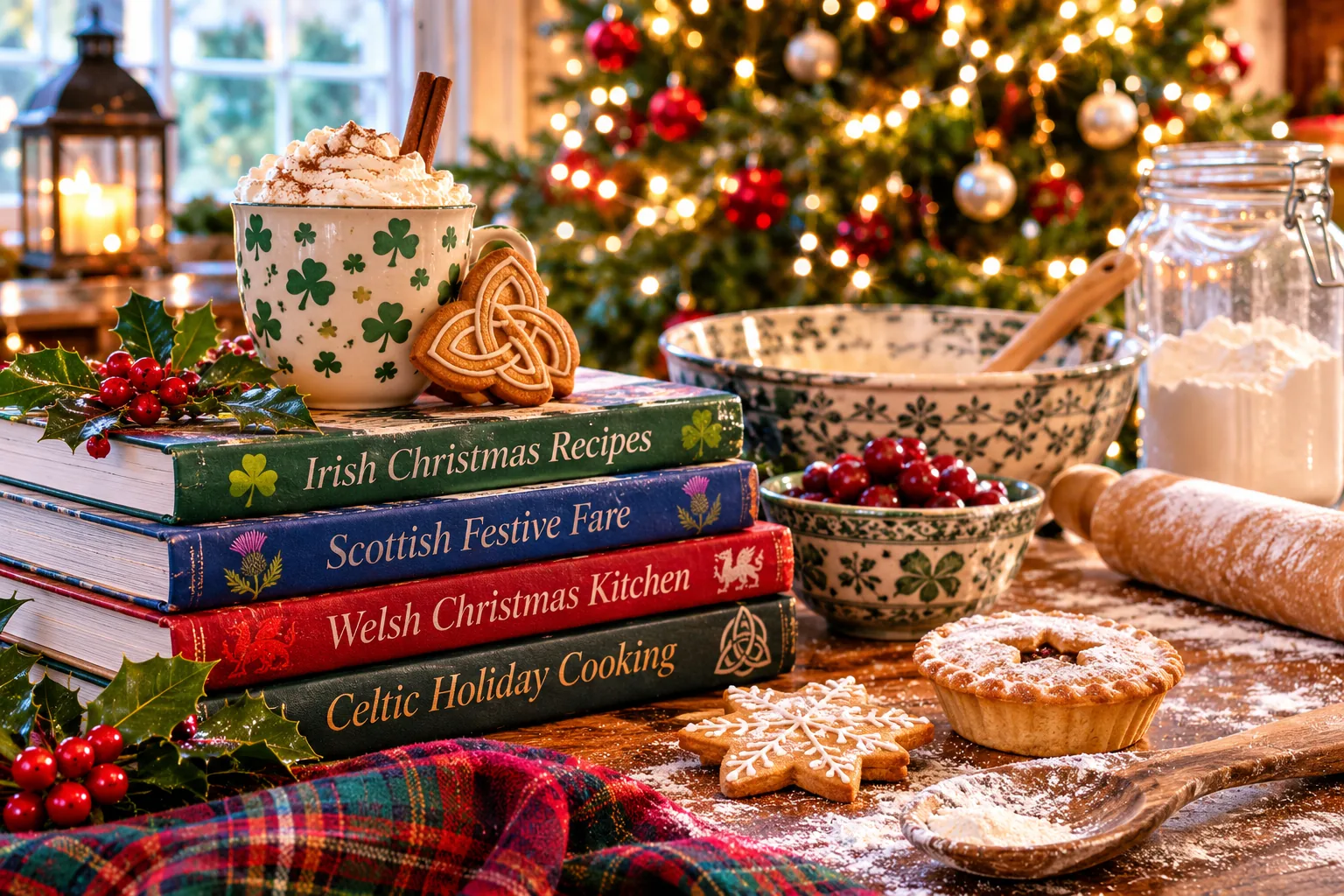
The dishes themselves are only half the story.
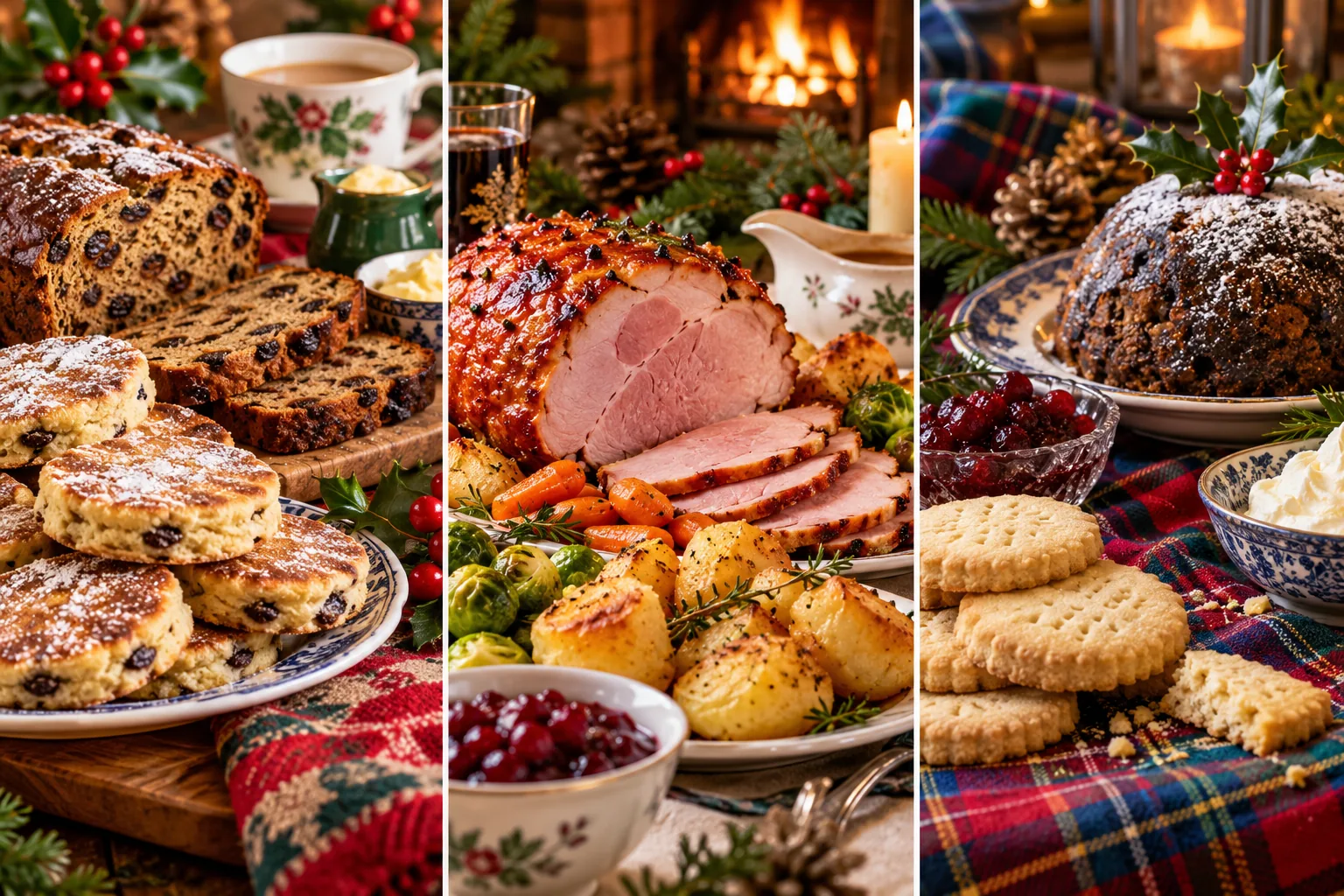
Wales: A Christmas Worth Pulling Together
In Wales, Christmas celebrations once included goose, rich puddings, fruit cakes, and a particularly wonderful tradition called cyflaith.
Cyflaith is a traditional Welsh toffee made with treacle, syrup, sugar, and butter.
But the interesting part isn’t simply what went into the pot.
Families and neighbors gathered to make it together. As the cooked mixture cooled enough to handle, participants pulled the toffee into long strands, stretching and folding it until its texture and appearance changed.
The gathering was part of the pleasure.
In some communities, toffee-making was associated with Christmas Eve and the anticipation of Plygain, the traditional Welsh early-morning Christmas service.
Imagine the scene: a warm kitchen, sticky fingers, laughter, and people gathered around a shared task while Christmas approached.
The recipe mattered. But so did the hands that made it.
From the Welsh Christmas Kitchen: Cyflaith
Traditional Welsh Christmas Toffee
Museum Wales has preserved historical accounts and recipes documenting this distinctive Christmas custom.
The traditional ingredients include black treacle, golden syrup, sugar, and butter. The mixture is boiled until it reaches the appropriate consistency, then allowed to cool before being pulled.
It is a wonderful example of food that was as much a communal activity as a finished sweet.
Explore the historical recipe and tradition:
Museum Wales — Welsh Food Traditions and Recipes
Kitchen note: Traditional toffee-making involves extremely hot sugar. Follow the original source’s instructions carefully and avoid handling the mixture until it is safe to do so.
Ireland: A Place at the Table
In Ireland, Christmas dinner today often means turkey, ham, roast potatoes, stuffing, vegetables, and enough food to feed twice the number of people actually expected.
But Irish Christmas traditions extend well beyond the familiar modern dinner.
Older customs placed considerable importance on hospitality.
The candle in the window, the welcome offered to a traveler, and the symbolism of making room for others all speak to an understanding of Christmas in which generosity mattered as much as abundance.
And in Cork, one particularly distinctive Christmas food has a history of its own.
Spiced beef.
Prepared days in advance, the beef is traditionally seasoned with a mixture of spices, sugar, and salt before cooking. Recipes vary between families and butchers, and the finished meat may be served hot or cold.
It’s the sort of food that rewards planning.
Which makes it particularly appropriate for Christmas, when half the work seems to happen before anyone sits down.
From the Irish Christmas Kitchen: Ballymaloe Spiced Beef
A Cork Christmas Tradition
Irish chef and food writer Darina Allen has preserved a family recipe for Ballymaloe spiced beef, handed down through Myrtle Allen’s family.
The recipe appears in Darina Allen’s cookbook A Simply Delicious Christmas, published by Gill and Macmillan.
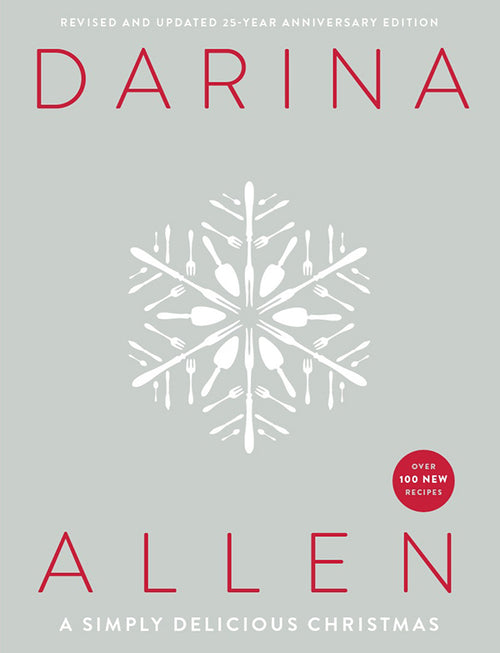
It is a particularly fitting choice for our Christmas table because it represents exactly what this article celebrates: a family recipe preserved and shared beyond the household where it began.
The traditional preparation uses beef, sugar, salt, and spices including black pepper, allspice, and juniper.
Read Darina Allen’s original recipe:
Ballymaloe Spiced Beef — RTÉ
Kitchen note: This historical recipe uses saltpetre and requires curing. Readers should not improvise curing quantities or substitute ingredients without following modern, validated food-safety guidance.
From the Bookshelf
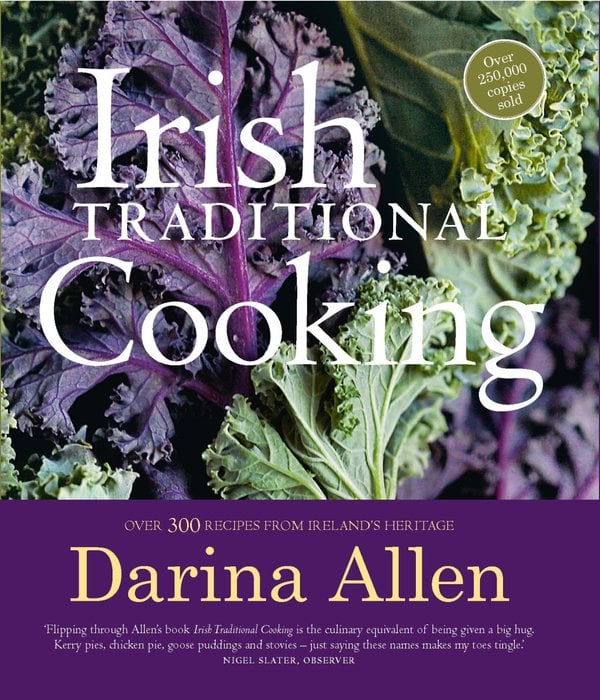
Darina Allen’s Irish Traditional Cooking explores Ireland’s culinary heritage through hundreds of recipes and the stories surrounding them.
For anyone interested in the relationship between food, place, and memory, it’s a wonderful place to continue exploring.
Irish Traditional Cooking — Darina Allen
ISBN: 9780857830333
Scotland: Butter, Sugar, and the Things We Keep
Scotland’s Christmas history is complicated.
Following the Reformation, Christmas celebrations were discouraged or suppressed for centuries, and Hogmanay became the country’s more prominent winter celebration.
That history helps explain why Scottish festive traditions do not always follow the same pattern as those elsewhere in Britain and Ireland.
But one Scottish food has become almost inseparable from the festive season.
Shortbread.
Made from a remarkably simple combination of butter, sugar, and flour, traditional Scottish shortbread is proof that extraordinary things don’t always require complicated ingredients.
Its familiar shapes include fingers, rounds, and petticoat tails — a large circle divided into triangular pieces.
Shortbread is enjoyed throughout the year, but it has a particularly strong association with Christmas and Hogmanay.
And perhaps no other recipe illustrates the way food travels through families quite so neatly.
From the Scottish Christmas Kitchen: Shortbread Petticoat Tails
A Family Recipe Preserved Since 1941
Food writer Libby Hakim has shared a traditional Scottish shortbread recipe preserved in her great-grandmother’s handwritten recipe book.
The entry is dated July 18, 1941, and credits a Mrs. MacFarlane.
The recipe has survived for more than eight decades.
Think about that for a moment.
A woman wrote down a recipe in 1941. Generations later, someone can still follow those instructions and make the same kind of shortbread.
We may never know much about Mrs. MacFarlane.
But something she made has outlived the kitchen in which it was first recorded.
Explore the original family recipe:
Scottish Shortbread Petticoat Tails — Cooking with Nana Ling
The Recipes We Make Our Own
Of course, not every family tradition is centuries old.
Someone makes something once because they like it.
The children ask for it the following year.
Twenty years later, nobody remembers there was ever a Christmas without it.
Recipes travel astonishingly well.
People leave countries. Ingredients change. Ovens change. Families marry into other families. One person hates raisins. Somebody becomes vegetarian. A child grows up thousands of miles from the kitchen where the recipe began.
Still, something remains.
Maybe it isn’t authenticity in the strictest sense.
Maybe it’s recognition.
The smell arrives first.
Butter and sugar. Fruit and spice. Bread in the oven. Ham roasting. Toffee cooling.
Something frying that only appears once a year.
Suddenly, a room that no longer exists is present again.
That is how culture stays alive: not because nobody changes the recipe, but because somebody cares enough to make it again.
For families spread across countries, Christmas food can do something geography cannot.
It can collapse distance.
You may not be able to go back to the house.
But for an hour, if somebody gets the recipe right, the house can come to you.
Make it for Christmas
The three recipes from this article, each on its original source.
- Cyflaith, Welsh pulled toffee. Museum Wales, Welsh Foods (Bala, Gwynedd). Read the recipe →
- Ballymaloe Spiced Beef. Darina Allen, via RTÉ. This recipe involves curing, so follow the source’s instructions. Read the recipe →
- Scottish Shortbread Petticoat Tails. Libby Hakim, Cooking with Nana Ling. Read the recipe →
Further Reading: The Celtic Kitchen
Food is one of the most accessible ways to explore a culture. Traditional cookbooks preserve not only ingredients and instructions but also regional customs, family histories, and the everyday rituals that make a place distinctive.
For readers who would like to explore further, we recommend beginning with Darina Allen’s Irish Traditional Cooking and A Simply Delicious Christmas.
Additional Welsh and Scottish cookbooks will join our CelticMFF Bookshelf as the collection grows.
Some book recommendations may contain affiliate links. Purchases made through these links may support CelticMFF at no additional cost to readers.
From Our Christmas Table to Yours
Traditional Recipes & Recommended Cookbooks
Discover something delicious to bring to your own Christmas table, from Welsh baking to Irish holiday dinners and Scottish festive favorites.
The Welsh Kitchen
Welsh Cakes • Bara Brith • Traditional Baking
Try These Recipes
Welsh Cakes
Traditional griddle cakes sprinkled with sugar, perfect with afternoon tea.
Get the Recipe — Wales.com
Bara Brith
A wonderfully moist Welsh fruit loaf made with tea-soaked dried fruit.
Get the Recipe — Wales.com
More Welsh Favorites
Explore cawl, Welsh rarebit, traditional cakes and regional specialties.
Browse Welsh Recipes
🇮🇪 The Irish Kitchen
Christmas Ham • Roast Turkey • Holiday Traditions
Try These Recipes
Traditional Irish Christmas Feast
A complete collection of Christmas dinner favorites, including turkey, glazed ham and seasonal vegetables.
Explore the Christmas Feast — Bord Bia
Neven Maguire’s Christmas Ham
A festive ham glazed with maple syrup, Irish whiskey and warm spices.
Get the Recipe — Bord Bia
Cookbooks Worth Keeping
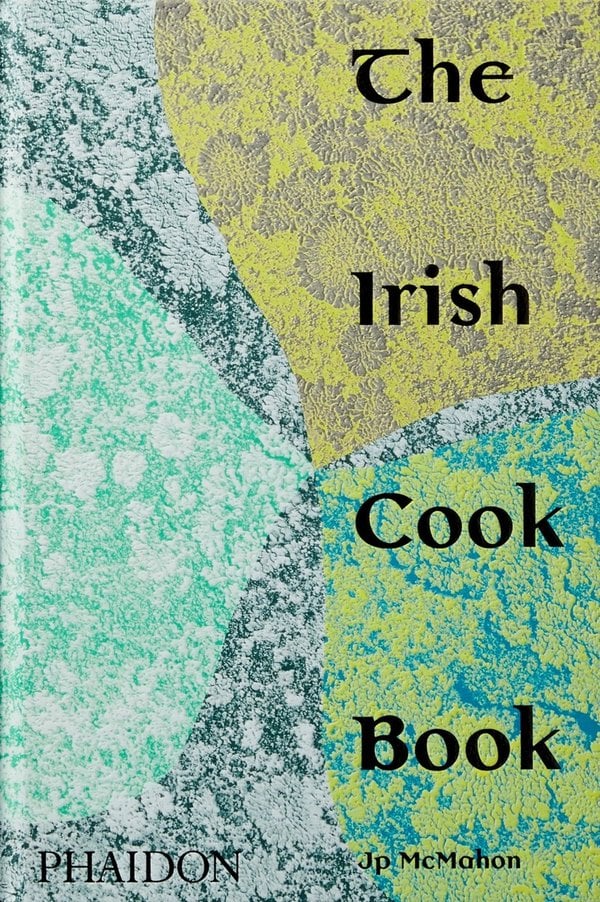
The Irish Cookbook — JP McMahon
An extensive collection of 480 recipes celebrating Ireland’s culinary heritage, regional ingredients and traditional home cooking.
Explore the Cookbook — Bookshop.org
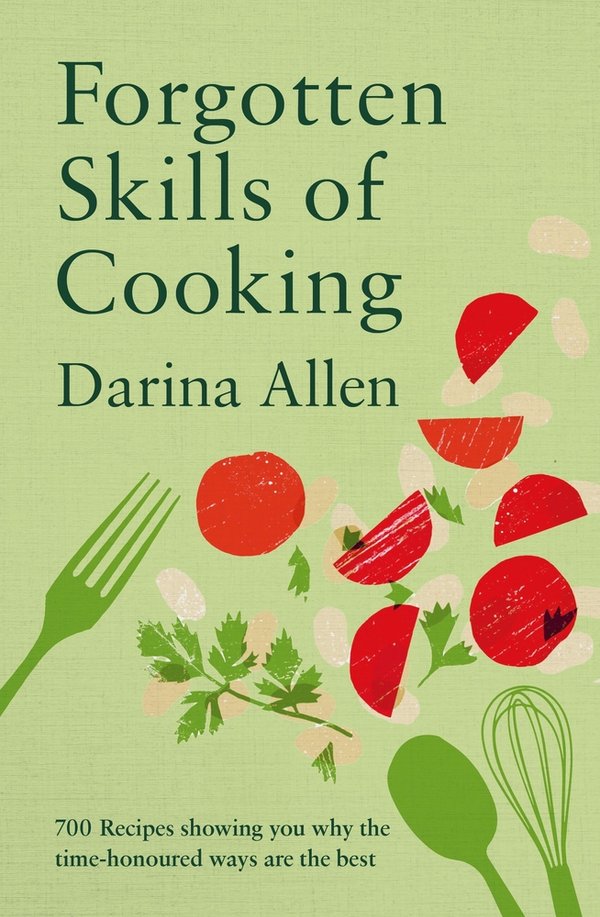
Forgotten Skills of Cooking — Darina Allen
More than 700 recipes and a celebration of traditional cooking skills, from baking bread to preserving food.
Explore the Cookbook — Bookshop.org
The Scottish Kitchen
Shortbread • Clootie Dumpling • Festive Baking
Try These Recipes
Traditional Clootie Dumpling
A rich Scottish fruit pudding traditionally cooked in cloth and served during celebrations.
Get the Recipe — BBC Radio Scotland (PDF)
Cookbooks Worth Keeping
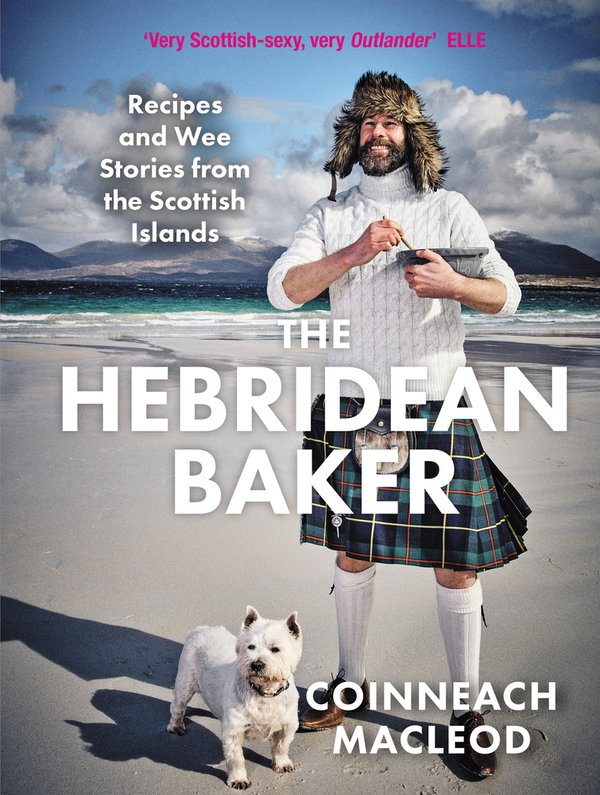
The Hebridean Baker — Coinneach MacLeod
Traditional Scottish baking, island stories and more than 70 recipes from the Outer Hebrides.
Explore the Cookbook — Bookshop.org
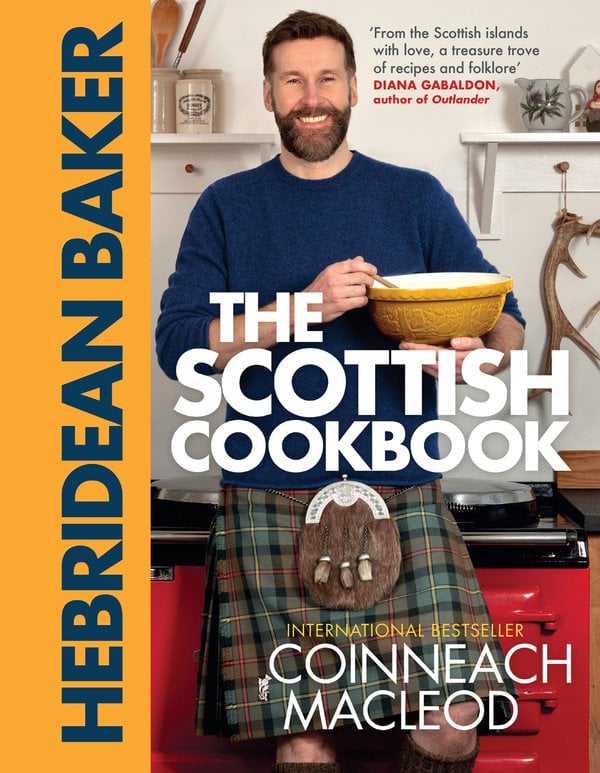
The Hebridean Baker: The Scottish Cookbook — Coinneach MacLeod
A celebration of Scottish cooking, from savory pies and traditional baking to regional specialties and forgotten favorites.
Explore the Cookbook — Bookshop.org
A Note About Our Recommendations
Recipes are linked to their original creators and publishers. Some cookbook links are affiliate links, which means CelticMFF may earn a small commission from qualifying purchases at no additional cost to you. These commissions help keep our directory and magazine free.